
Why Home Assistant Is a Game-Changer for DIY Electronics and ESP32 Sensors

One of the most exciting things about modern electronics isn’t just the hardware — it’s how easily homemade devices can now integrate into a full smart home system.

That’s where Home Assistant really shines.

If you enjoy building things with ESP32 boards, sensors, and simple circuits, Home Assistant turns those projects into something practical, powerful, and genuinely useful.

What Is Home Assistant?

Home Assistant is an open-source home automation platform that runs locally and puts you in control of your smart devices.

Unlike many cloud-only smart home systems, Home Assistant:

  • Runs on your own hardware

  • Works without internet access

  • Integrates thousands of devices

  • Plays extremely well with DIY electronics

For electronics hobbyists, this last point is huge.

Why ESP32 + Home Assistant Is Such a Good Match

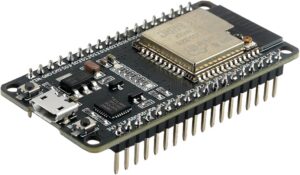
The ESP32 has become one of the most popular microcontrollers for DIY electronics — and for good reason:

  • Built-in Wi-Fi and Bluetooth

  • Very low cost

  • Tons of community support

  • Capable enough for real-world sensors and controls

When you pair ESP32 devices with Home Assistant, you suddenly get:
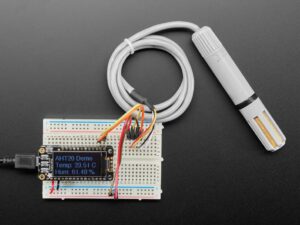
  • Live sensor data (temperature, humidity, motion, light, power usage)

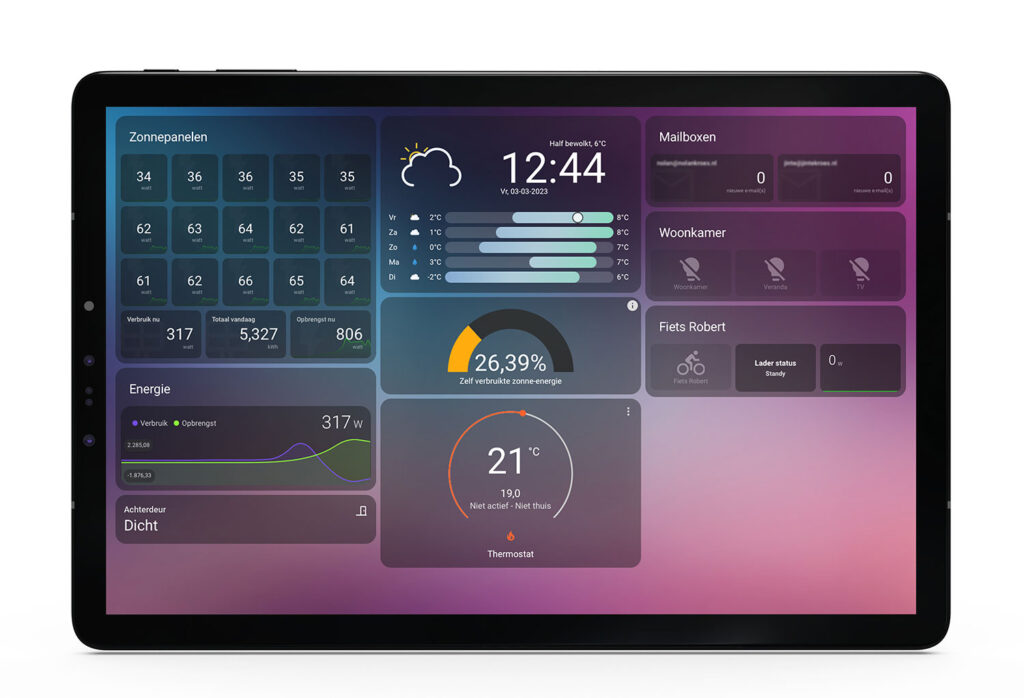
  • Dashboards without writing a frontend

  • Automation rules instead of custom code

  • Long-term history and graphs

  • Alerts, notifications, and integrations

Your homemade sensor stops being “just a test” and becomes part of a system.

From Simple Sensors to Real Automation

A basic ESP32 project might start with something simple:

  • Temperature and humidity

  • Motion detection

  • Door or window sensors

  • Light or soil moisture readings

Once connected to Home Assistant, those readings can trigger automations like:

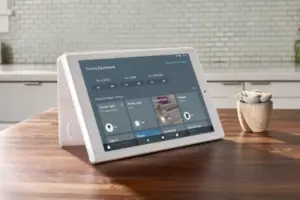
  • Smart home control panel powered by Home AssistantTurning fans on or off

  • Sending alerts when thresholds are crossed

  • Logging data for long-term analysis

  • Coordinating with commercial smart devices

No custom app required. No cloud subscription required.

ESPHome Makes It Even Easier

One reason Home Assistant is so popular with electronics builders is ESPHome.

ESPHome lets you define ESP32 devices using simple configuration files instead of writing full firmware from scratch. Home Assistant handles:

  • Device discovery

    esp32-home-assistant-sensor
  • Updates


  • Integration

  • Visualization

This lowers the barrier dramatically — especially for people who enjoy electronics but don’t want to spend weeks debugging firmware.
Why This Matters for DIY Electronics

Home Assistant changes the motivation behind building electronics projects.

Instead of:

“I built this sensor because it was interesting…”

It becomes:

“I built this sensor because it solves a real problem in my house.”

That shift is powerful — and it’s why Home Assistant has become such a central tool for hobbyists, tinkerers, and professionals alike.

Looking Ahead

In future posts, I’ll dig deeper into:

  • Specific ESP32 sensor ideas

  • ESPHome configurations

  • Hardware choices that work well with Home Assistant

  • Real-world electronics builds that actually stay in use

For now, this is just a high-level look at why Home Assistant is such a natural fit for DIY electronics — and why it’s worth exploring even if you’re just getting started.