

1) The AI chip race shifts from “training” to “inference”
AI isn’t slowing down—it’s changing shape.
A major theme going into 2026 is the shift toward AI inference (running models in production) at massive scale. That shift broadens the playing field: it’s not just about the biggest training GPUs anymore. It’s also about efficiency, memory bandwidth, packaging, and specialized inference hardware. The Wall Street Journal
Why it matters: Inference is where businesses actually use AI day-to-day—support bots, search, summarization, automations, voice assistants, security analysis, and more. That means demand moves from “labs and demos” into the real world.
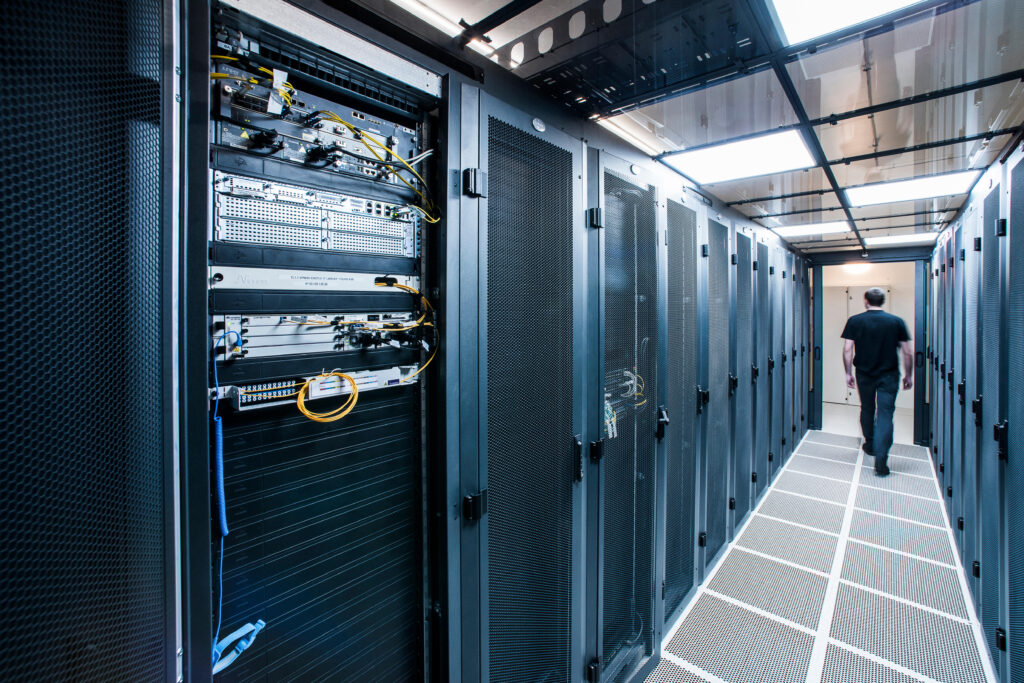
2) Data center investment keeps breaking records
AI is hungry—and the industry is spending like it.

Reports in late 2025 showed record levels of investment and dealmaking in data centers, driven largely by AI demand and the need for more compute capacity. The Guardian+1
This isn’t just “more servers.” It’s also:
-
Power delivery (transformers, grid upgrades)
-
Cooling and efficiency
-
Location strategy (latency, energy cost, redundancy)
-
Build speed (how fast new capacity can come online)
Why it matters: The winners in 2026 won’t just have the best models—they’ll have the most reliable, scalable infrastructure behind them.
4) Chips + geopolitics stays a top storyline
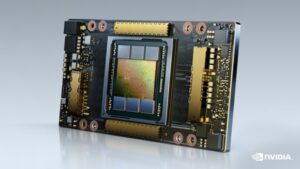
Semiconductors remain strategic, and global policy continues to affect what gets built (and where). Late-2025 reporting highlighted new approval / licensing structures for chipmaking tool shipments tied to 2026. Reuters
Why it matters: Supply chains, tool access, and export controls can influence costs, timelines, and who can manufacture what.